

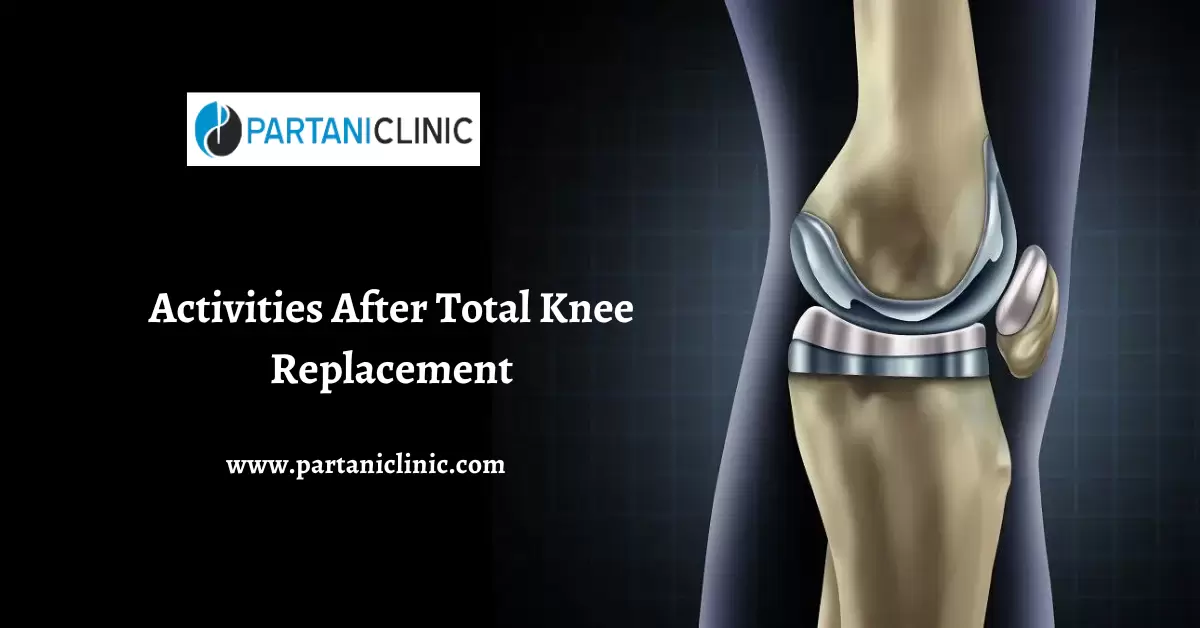
Activities After Total Knee Replacement: Total knee replacement (TKR) surgery is a significant medical procedure aimed at relieving pain and restoring function in patients with severely damaged knee joints. Post-surgery, patients often wonder what activities they can safely resume and how to best ensure a successful recovery.
This guide provides a detailed overview of the activities you can engage in after undergoing total knee replacement surgery.
Understanding the Recovery Process
The recovery period following a total knee replacement varies from patient to patient, typically ranging from a few weeks to several months. It’s crucial to follow your surgeon’s post-operative instructions and attend all scheduled follow-up appointments. The general stages of recovery are as follows:
- Immediate Post-Surgery (First Week): The focus is on pain management, wound care, and initial physical therapy exercises.
- Early Recovery (Weeks 2-6): Increased emphasis on physical therapy, regaining mobility, and reducing swelling.
- Intermediate Recovery (Weeks 6-12): Gradual return to normal daily activities, continued physical therapy to enhance strength and flexibility.
- Long-Term Recovery (3-6 Months): Return to more vigorous activities and possibly sports, depending on your progress and doctor’s advice.
Activities After Total Knee Replacement
1. Walking
Walking is one of the most beneficial activities you can engage in after a knee replacement. It helps improve circulation, reduce swelling, and enhance joint mobility. Start with short, frequent walks and gradually increase the distance as your strength improves. Using a walker or crutches initially is advisable to ensure stability and prevent falls.
2. Physical Therapy Exercises
Physical therapy is a cornerstone of the recovery process. Your physical therapist will design a personalized exercise regimen to strengthen the muscles around your knee, improve flexibility, and promote healing. Key exercises may include:
- Heel Slides: Lying on your back, slowly slide your heel towards your buttocks and then back to the starting position.
- Quad Sets: Tighten your thigh muscles by pressing the back of your knee into the bed and hold for a few seconds.
- Straight Leg Raises: Lift your leg while keeping it straight, hold for a few seconds, and then lower it slowly.
3. Stationary Cycling
Using a stationary bike is an excellent way to maintain cardiovascular fitness and enhance knee mobility without putting undue stress on the joint. Start with the seat positioned high and no resistance, gradually increasing both as you become more comfortable.
4. Swimming and Water Aerobics
Water-based activities are highly recommended as they provide resistance to build strength while the buoyancy of the water reduces stress on the knee joint. Swimming, water walking, and water aerobics can all be beneficial. Ensure the surgical incision is fully healed before engaging in these activities.
5. Light Household Activities
Engaging in light household chores can help you regain normal function and independence. Activities like dusting, washing dishes, and light gardening (avoiding heavy lifting and excessive bending) are generally safe and promote movement.
Activities to Approach with Caution
While staying active is crucial, certain activities should be approached with caution to avoid damaging your new knee joint.
1. High-Impact Sports
High-impact activities such as running, basketball, and soccer can put excessive stress on your knee and should generally be avoided. These activities increase the risk of joint wear and potential injury.
2. Heavy Lifting
Lifting heavy objects can strain your knee joint. It’s important to avoid lifting anything that causes discomfort or puts undue pressure on your knee, especially during the early stages of recovery.
3. Twisting and Pivoting Movements
Activities that involve sudden twisting or pivoting movements, such as tennis or skiing, can be risky. These motions can place excessive rotational force on your knee, potentially leading to injury.
Long-Term Activities and Lifestyle Adjustments
As you progress in your recovery, you can gradually return to more demanding activities, keeping your knee’s health and your overall well-being in mind.
1. Low-Impact Sports and Recreational Activities
Low-impact sports like golf, cycling, and doubles tennis are generally safe and can be incorporated into your routine as your strength and confidence build. These activities offer cardiovascular benefits without overly stressing the knee joint.
2. Yoga and Stretching
Incorporating yoga and stretching exercises can help improve flexibility, balance, and overall joint health. Choose poses that do not involve deep knee bends or excessive pressure on the joint.
3. Strength Training
Strengthening the muscles around your knee can provide better support and stability for the joint. Focus on low-impact strength training exercises, such as leg presses, hamstring curls, and calf raises, using resistance bands or light weights.
4. Mindful Movement
Being mindful of how you move in daily activities can help prevent injuries. Always use proper techniques when bending, lifting, or reaching to avoid placing unnecessary strain on your knee.
Tips for a Successful Recovery
- Follow Your Surgeon’s Advice: Adhere strictly to the post-operative guidelines provided by your healthcare team. Attend all follow-up appointments and report any concerns or unusual symptoms promptly.
- Stay Active, But Don’t Overdo It: Balance activity with adequate rest. Overexertion can lead to setbacks, while consistent, moderate activity promotes healing.
- Maintain a Healthy Diet: Proper nutrition supports overall health and recovery. Focus on a balanced diet rich in fruits, vegetables, lean proteins, and whole grains.
- Stay Hydrated: Adequate hydration is essential for joint health and recovery.
- Use Pain Management Techniques: Manage pain effectively using prescribed medications, ice therapy, and other recommended methods.
Looking for total knee replacement surgery in Jaipur?
Look no further than Dr. Arun Partani, renowned as the Best Total Knee Replacement Surgeon in Jaipur. With a track record of excellence and expertise in joint replacement procedures, Dr. Partani is dedicated to providing personalized care and ensuring optimal outcomes for his patients.
Whether you’re seeking relief from knee pain or considering knee replacement surgery, booking an appointment with Dr. Arun Partani guarantees compassionate care and comprehensive treatment tailored to your needs. Trust your knee health to a specialist committed to restoring mobility and improving your quality of life.
Conclusion – Activities After Total Knee Replacement
Total knee replacement surgery can significantly improve your quality of life by reducing pain and enhancing mobility. Engaging in appropriate activities during your recovery is essential for achieving the best possible outcome.
By following your joint replacement surgeon advice and gradually reintroducing activities, you can enjoy a more active, pain-free life post-surgery. Remember, every individual’s recovery journey is unique, so listen to your body and progress at a pace that feels right for you.
Also Read: