
Best ACL Surgeon in Jaipur
Get the best ACL surgery in Jaipur by our experienced Dr. Arun Partani (ACL Surgeon in Jaipur).
A tear in the ACL (Anterior Cruciate Ligament) can cause significant knee injury, necessitating consultation with the top ACL surgeon in Jaipur. The knee joint comprises three main bony structures: the femur, the tibia, and the patella. The ACL is a crucial ligament in the knee that connects the femur to the tibia and is commonly injured, especially among individuals engaged in high-risk sports like football, soccer, basketball, and skiing. ACL injuries often involve damage to the articular cartilage, meniscus, and other ligaments such as the MCL (Medial Collateral Ligament), LCL (Lateral Collateral Ligament), and PCL (Posterior Cruciate Ligament). Consequently, patients may develop bone bruises beneath the cartilage surface.
Get ACL Surgery in Jaipur By Dr. Arun Partani.
- Done 5000+ ACL Surgery
- 16+ Years of Experinece
- Done 10K+ Knee Replacement Surgery
- Awarded Best Joint Replacement Surgeon in Rajasthan -2016
- Awarded Best Knee Replacement Surgeon 2017

Dr. Arun Partani– Additional Director in Joint Replacement Surgeon
MS, DNB, FJRS, FAA (Germany), OLC (Hongkong)


Associate With

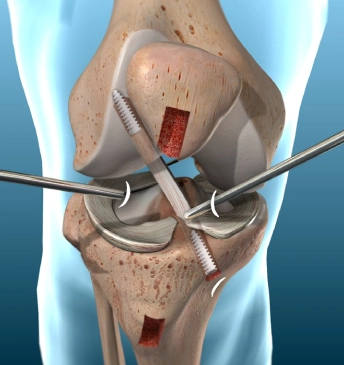
What is ACL Surgery?
ACL surgery, or anterior cruciate ligament surgery, is a procedure performed to repair a torn or damaged anterior cruciate ligament in the knee. The ACL is one of the major ligaments that helps stabilize the knee joint by connecting the thigh bone (femur) to the shin bone (tibia). Injuries to the ACL are common, especially among athletes involved in sports that require sudden stops, changes in direction, or jumping.
During ACL surgery, the torn ligament is typically replaced with a graft, which may be taken from the patient’s own tissue (autograft) or from a donor (allograft). The surgery is usually performed arthroscopically, where small incisions are made around the knee, and a tiny camera and surgical instruments are used to perform the repair.
If you are looking for the best ACL surgeon in Jaipur, Dr. Arun Partani is widely recognized for his expertise in orthopedic sports medicine and minimally invasive surgical techniques. His advanced skills and vast experience make him a highly sought-after specialist for ACL reconstruction, ensuring patients receive comprehensive care and the best possible outcomes. In addition to ACL surgeries, Dr. Partani is also regarded as the Best Knee Replacement Doctor in Jaipur, offering advanced knee replacement solutions for long-term relief and improved mobility.
Why Need ACL Surgery?
ACL (anterior cruciate ligament) surgery is often necessary when this ligament in the knee is torn or significantly damaged. The ACL is a crucial ligament that helps stabilize the knee joint by preventing excessive forward movement and rotation of the shin bone (tibia) in relation to the thigh bone (femur).
Here are reasons why ACL surgery might be needed:
- Complete Tear: A complete tear of the ACL can occur due to sudden twisting, hyperextension, or impact to the knee during sports or accidents. This can result in instability and loss of function in the knee joint.
- Sports and Activities: Individuals who participate in sports that involve pivoting, cutting, or jumping are at higher risk of ACL tears. Surgery may be recommended to restore stability and allow a return to these activities.
- Persistent Instability: Some people experience ongoing instability in the knee even after completing rehabilitation. This instability can interfere with daily activities and increase the risk of further damage to the knee joint.
- Desire to Return to High-Level Activities: Athletes and active individuals often opt for ACL surgery to regain full function and stability in the knee, allowing them to return to their previous level of activity.
- Prevent Further Damage: Without a functional ACL, there is a higher risk of developing other knee problems such as meniscal tears or early onset arthritis. Surgery can help prevent these complications.
- Rehabilitation and Recovery: ACL surgery followed by a structured rehabilitation program aims to restore knee function, strength, and range of motion. This can improve long-term outcomes and reduce the likelihood of future knee problems.
If you encounter any of these issues, it's imperative to schedule a consultation at your earliest convenience with ACL surgeon in Jaipur.
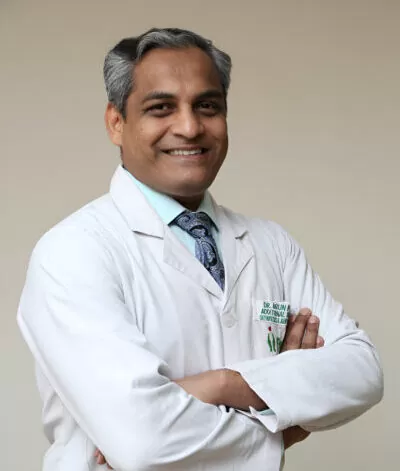
Meet Our ACL Surgeon in Jaipur
Dr. Arun Partani- Orthopedic
MS, DNB, FJRS, FAA (Germany), OLC (Hongkong)
Additional Director in Orthopedics and Joint Replacement Surgeon Jaipur
Dr. Arun Partani is a highly experienced ACL surgeon in Jaipur, known for his expertise and experience in orthopedics and joint replacement surgery. With qualifications including MS, DNB, FJRS, FAA (Germany), and OLC (Hong Kong), Dr. Partani serves as the Additional Director of Orthopedics and a Joint Replacement Surgeon at Fortis Hospital, Jaipur. His career spans over 16 years, during which he has successfully performed over 5,000 ACL surgeries, demonstrating a deep understanding of complex knee injuries and advanced surgical techniques.
Dr. Partani’s commitment to patient care and his proficiency in ACL reconstruction have made him a trusted specialist in the field, providing comprehensive and effective treatment for patients seeking relief from knee-related issues in Jaipur and beyond.
Benefits of ACL Surgery
ACL (anterior cruciate ligament) surgery is a common procedure performed to reconstruct a torn ACL in the knee. This surgery offers several benefits for individuals who have experienced ACL injuries:
- Restoration of Stability: ACL surgery aims to restore stability to the knee joint. The ACL is crucial for stabilizing the knee during movements like pivoting and twisting. After surgery and rehabilitation, patients often regain stability and confidence in their knee’s function.
- Prevention of Further Damage: A torn ACL can lead to additional damage to the knee joint if left untreated. Surgery helps prevent further injuries such as meniscus tears or cartilage damage that can occur due to unstable knee mechanics.
- Return to Activity: For athletes and active individuals, ACL surgery can facilitate a return to sports and activities that require dynamic knee stability. Proper rehabilitation following surgery is essential for achieving optimal outcomes.
- Reduced Risk of Long-Term Complications: Addressing an ACL tear promptly through surgery can reduce the risk of long-term complications like joint instability, recurrent injuries, or early onset of osteoarthritis.
Improved Quality of Life: Many patients experience improved overall quality of life after ACL surgery. Restoring knee function and reducing pain can enhance daily activities and participation in recreational or athletic pursuits. - Rehabilitation Benefits: Although rehabilitation after ACL surgery requires dedication and effort, it can lead to improved strength, flexibility, and function not only in the injured knee but also in the entire lower extremity.
- Customized Treatment Options: ACL surgery techniques continue to evolve, allowing surgeons to tailor treatments based on individual needs and activity levels. Advanced surgical methods and rehabilitation protocols contribute to better outcomes.
- Long-Term Success: When performed with appropriate post-operative care and rehabilitation, ACL surgery generally has a high success rate in restoring knee function and allowing individuals to resume normal activities.
Best ACL doctor in Jaipur can help you overcome an ACL tear injury
The leading ACL surgeon in Jaipur explains that a torn ACL can result from various actions such as abrupt stops, rapid changes in direction, improper landing from a jump, sudden deceleration during running, or direct impacts like a football tackle. The primary symptom of an ACL tear is a popping sensation in the knee accompanied by a feeling of instability. Additional signs include limited range of motion, discomfort while walking, and tenderness along the joint line. A complete tear often leads to pain and swelling. If not properly managed, the swelling and pain may subside, but returning to sports activities without proper care can increase the risk of further knee damage.
ACL injuries can be managed through surgical or non-surgical approaches. Non-surgical options are typically recommended for older patients or those not engaged in high-impact activities such as sports. Common non-surgical treatments include physical therapy and bracing. Alternatively, ACL Reconstruction Surgery is performed for those needing surgical intervention to repair the ligament and restore knee stability. During this surgery, the torn ligament is replaced with a tissue graft sourced from various places like the patellar tendon, hamstring tendons, quadriceps tendon, or a cadaver graft (allograft).
The ACL reconstruction surgery is often conducted using arthroscopy, a minimally invasive technique involving small incisions. The ACL doctor in Jaipur prefers arthroscopy due to its lesser invasiveness, leading to reduced post-operative pain, shorter hospital stays, and quicker recovery times. Rehabilitation is crucial regardless of the treatment path taken. Physical therapy helps restore knee motion and strength while also protecting the reconstructed ligament. This gradual strengthening process allows athletes to safely return to their respective sports.
What Happens During ACL Surgery?
ACL (anterior cruciate ligament) surgery is a procedure performed to repair a torn or ruptured ACL in the knee. Here's a breakdown of what typically happens during ACL surgery:
- Preparation: Before the surgery begins, the patient is usually given anesthesia to ensure they are comfortable and pain-free during the procedure. The surgical team then prepares the surgical site by cleaning and sterilizing the area around the knee.
- Incision: The surgeon makes a small incision near the knee to access the joint. In some cases, minimally invasive techniques may be used, involving smaller incisions and specialized instruments.
- Examining the Damage: The surgeon examines the knee joint, often using an arthroscope—a small camera inserted into the joint through another incision. This allows the surgeon to assess the extent of the ACL injury and check for any associated damage to other structures like cartilage or meniscus.
- ACL Reconstruction: If the ACL is completely torn and needs reconstruction, the surgeon will proceed with this step. The torn ACL tissue is removed, and a new ACL is then reconstructed using a graft. This graft can be sourced from the patient’s own tissue (autograft) or from a donor (allograft). Common autograft choices include the patellar tendon, hamstring tendon, or quadriceps tendon.
- Graft Placement: The chosen graft is inserted into the knee joint and secured to the femur (thigh bone) and tibia (shin bone) using screws, staples, or other fixation devices. The new graft serves as a scaffold for new tissue growth, gradually becoming a functional ACL over time.
- Closure: After the graft is securely in place, the surgeon closes the incisions with sutures or staples and applies sterile dressings over the surgical site.
- Recovery: Following the surgery, patients typically undergo a period of rehabilitation and physical therapy to regain strength, stability, and range of motion in the knee. The recovery process can take several months and involves a gradual return to normal activities and sports.
It’s important to note that ACL surgery in Jaipur is a complex procedure that requires skilled acl surgeon in Jaipur and careful post-operative care to optimize outcomes and minimize the risk of complications. Recovery times and outcomes can vary depending on factors such as the patient’s age, overall health, and the extent of the injury.
Why Choose Dr. Arun Partani For ACL Surgery in Jaipur?
Choosing Dr. Arun Partani for ACL (Anterior Cruciate Ligament) surgery in Jaipur can be a prudent decision due to several compelling reasons:
Expertise and Experience: Dr. Arun Partani is a highly experienced ACL surgeon in Jaipur specializing in sports medicine and arthroscopic surgery. He has extensive experience in performing ACL surgeries, backed by years of practice and specialized training.
Advanced Surgical Techniques: Dr. Partani employs advanced arthroscopic techniques for ACL reconstruction, ensuring precision and minimal invasiveness. This approach often leads to faster recovery times and better outcomes for patients.
High Success Rates: Dr. Partani’s track record of successful ACL surgeries speaks volumes about his skills and dedication. Patients can feel confident in his ability to deliver optimal results.
Our Testimonial
What Our Patients Say
Check all our patient reviews and testimonials and know what our patients say about us and about our treatments.
Sunil Suwalka
I have diagnos with AVN after severe COVID 19 infection. I have 4th grade AVN in both hip. Dr Arun partani sir did my both hip replacement in 45 days gap. I was in severe pain but after surgery I am enjoying pain free life. I recommend Dr partani for joint replacement. Now I am able to walk freely. Thank you so much sir.
Sailesh Jain
My father was suffering from Leg pain and after investigation Dr. Arun Partani suggested for Knee Replacement. The operation was successful. Post operation Dr. Anoop came regularly for physiotherapy and he did a great job in helping my father to walk properly. Now my father is able to walk properly. Kudos to the team at the Partani Clinic!
Sudhir Kumar Jain
My 84 yrs old mother was fell down and got hand major fracture.then i got her to fortis hospital to Dr Arun Partani he operated her very well she is now absolutely fine with fantastic results..thq to Dr.Partani and his team...for such contribution.
AJay Gupta
Meri mata ji ko 10 saal se knees m preshani thi chala nhi jata tha uthne bethne m bhot preshan hoti thi humne Dr Arun partani ji se knee replacement krwaya 1.5 mahina hogya h meri mata ji kafi santusht h ache se chal rhi h... Bhot he badia operation hua h hum bhot khush h physiotherapist Dr. Divya or Dr. Anoop ka recovery m bhot acha role rha.. Best Doctor with Best team..
Recent News
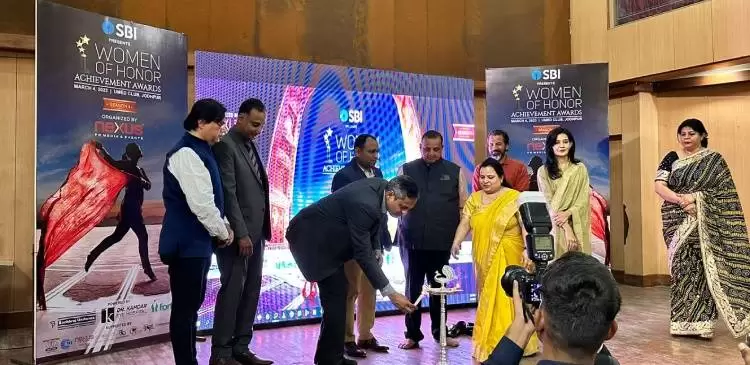
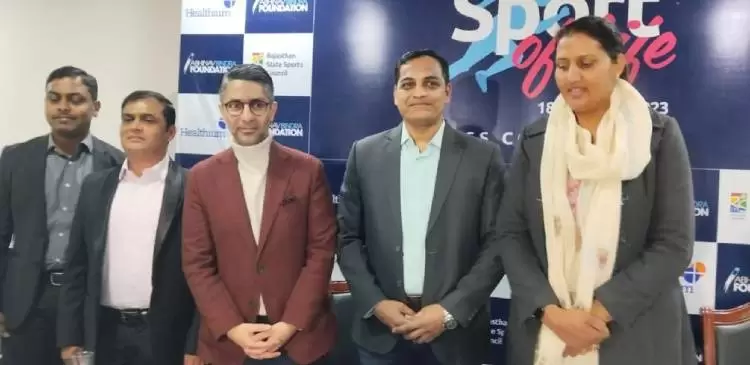
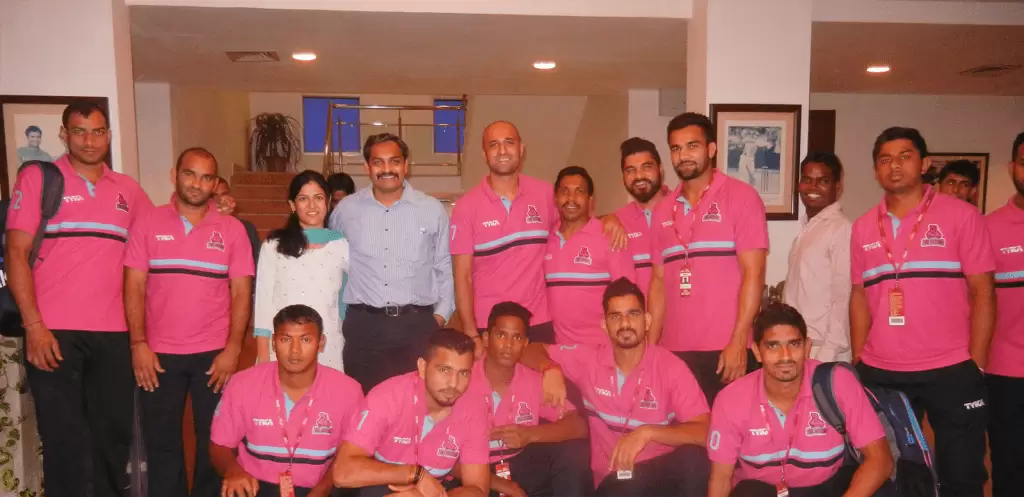
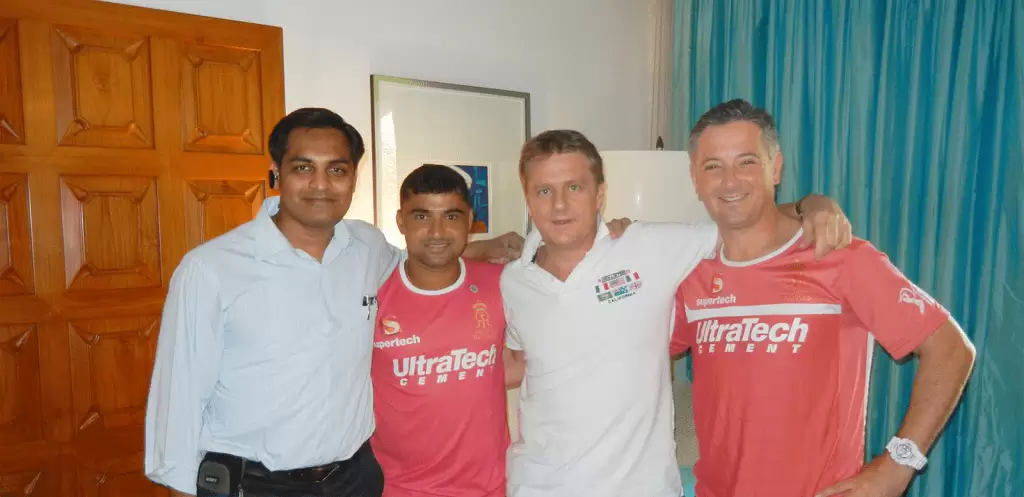
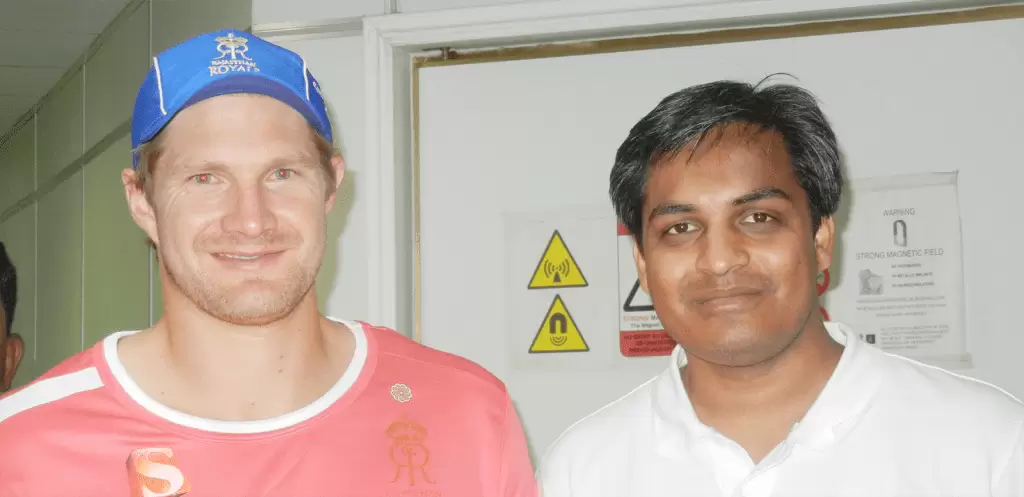
Have a glimpse of the recognisable moments of
the Dr. Partani with the star players & celebrities.
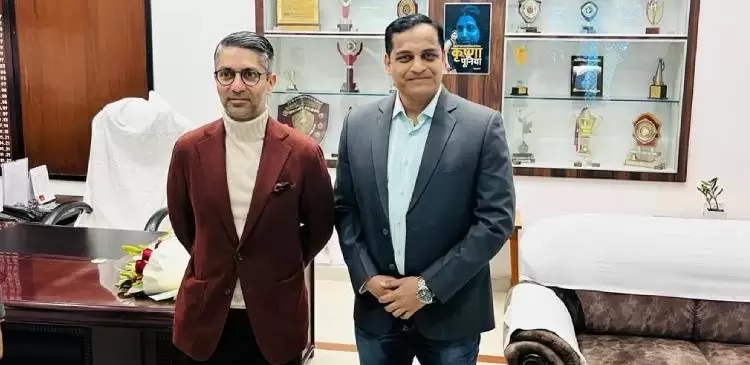
Fortis Hospital Doctor talk
Dr. Arun Partani
Get a Consultation for your ACL Surgery by our expert ACL surgeon in Jaipur Dr. Arun Partani
A delay in treatment makes the disease worsen.
Frequently Asked Questions About ACL Surgery
What is ACL surgery?
ACL (Anterior Cruciate Ligament) surgery is a procedure to repair or reconstruct a torn ACL in the knee joint. This ligament helps stabilize the knee and can be injured during sports or accidents.
When is ACL surgery recommended?
ACL surgery is typically recommended for individuals with a completely torn ACL who experience instability in the knee, particularly athletes or active individuals who want to restore knee function and stability.
Who performs ACL surgery in Jaipur?
ACL surgery in Jaipur is commonly performed by orthopedic surgeons specializing in sports medicine, particularly those known as ACL surgeons.
What are the types of ACL surgery available?
The main types of ACL surgery are ACL repair, where the torn ligament is stitched back together, and ACL reconstruction, where the ligament is replaced with a graft usually taken from the patient’s own body or a donor.
How long does ACL surgery take?
ACL surgery usually takes about 1 to 2 hours, depending on the complexity of the injury and the chosen surgical technique.
What is the recovery time after ACL surgery?
Recovery time varies but typically involves several months of rehabilitation and physical therapy. Most patients can resume light activities within a few weeks but may require up to 6-9 months to return to sports.
What are the risks associated with ACL surgery?
Risks include infection, blood clots, stiffness, and re-injury. Your ACL surgeon in Jaipur will discuss these risks and precautions.
How can I find the best ACL surgeon in Jaipur?
Look for an orthopedic surgeon with experience in ACL surgery, preferably one who specializes in sports medicine. Research reviews and ask for recommendations from your primary care doctor or other athletes.
Is ACL surgery covered by insurance?
Many health insurance plans cover ACL surgery if it is deemed medically necessary. Check with your insurance provider to understand your coverage.
Can ACL injuries be prevented?
While not always preventable, ACL injuries can be reduced by practicing proper techniques during sports, strengthening leg muscles, and using appropriate protective gear.
What should I expect during the ACL surgery consultation?
During your consultation with an ACL surgeon in Jaipur, expect a thorough examination of your knee, a discussion of your injury, and an explanation of treatment options.
How successful is ACL surgery?
ACL surgery is generally successful in restoring knee stability and function. Success rates vary but are often high, particularly with appropriate post-operative rehabilitation.
Can I drive after ACL surgery?
Driving after ACL surgery is usually restricted during the initial recovery period due to pain, limited mobility, and potential impairment from pain medications.
Will I need physical therapy after ACL surgery?
Yes, physical therapy is a crucial part of ACL surgery recovery to regain strength, flexibility, and range of motion in the knee.
How soon can I return to sports after ACL surgery?
Returning to sports after ACL surgery depends on individual recovery progress, rehabilitation efforts, and clearance from your ACL surgeon. It typically ranges from 6 to 9 months post-surgery.